Dalmatian-Style Paštašuta: My Journey to the Perfect Meat Ragu
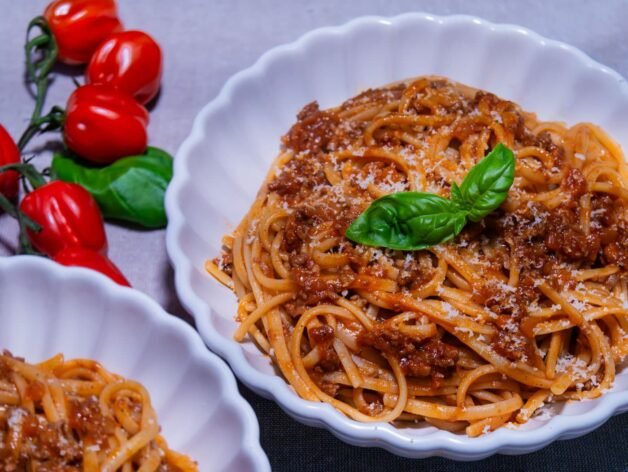
Every cook has a defining dish—a recipe that shapes their skills, teaches patience, and ignites a passion for food. For me, that dish is Paštašuta, a Dalmatian-style meat ragu that has grown from a teenage experiment into a beloved centerpiece of my culinary repertoire.
Growing up in Slavonia, Paštašuta wasn’t a dish we cooked at home. Yet, when I first tasted it as a teenager, its comforting simplicity captivated me. I had no recipe to follow, guidance, or internet to lean on—just my determination to recreate its rich flavors. My early attempts were far from perfect. I’d rush the sauce, skip key steps, and even throw in chili peppers, veering wildly from the authentic Paštašuta profile.
Over time, I learned the secrets: slow cooking, a balance of ingredients, and letting simple flavors shine. Today, my Paštašuta is more than a recipe—it’s a story of growth, curiosity, and creativity. It’s a dish that stands alone and transforms into indulgent lasagna or quick reheated meals.
Here, I’ll share my recipe for a batch of meat ragu that serves 8–10, ideal for a classic Paštašuta today and additional meals in the days to come.
What Makes This Meat Ragu Special?
The beauty of this Dalmatian-style meat ragu Paštašuta lies in its simplicity and the way every ingredient contributes to the depth and harmony of the final dish. Each element is chosen not just for tradition but for how it enhances the sauce’s flavor, texture, and versatility. Here’s a closer look at the most important ingredients and their roles:
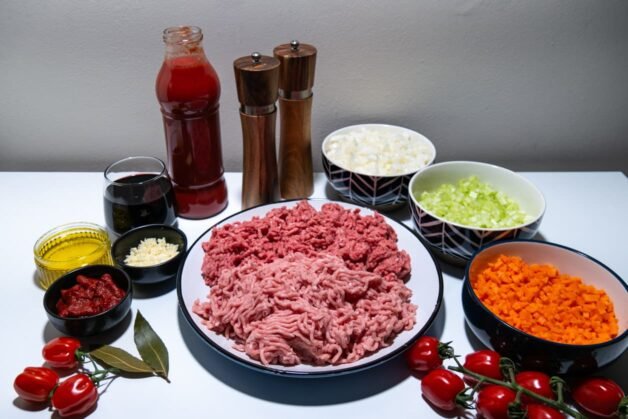
The Meat: The Backbone of Flavor
- Pork (12% fat): Pork adds tenderness and a subtle sweetness to the sauce. Its moderate fat content ensures the ragu remains rich without becoming overly greasy. Pork’s mild flavor acts as the perfect complement to the more robust beef.
- Beef (18% fat): Beef brings bold, hearty flavors and a satisfying texture to the sauce. The higher fat content melts into the ragu during cooking, enriching the tomato base and adding depth.
- Why the 50:50 Ratio? This balanced mix of pork and beef ensures that the sauce is both rich and well-rounded. The pork softens the intensity of the beef while the beef provides structure and boldness, creating the perfect foundation for this meat ragu.
Aromatics: Building the Flavor Base
- Onions: Onions are the unsung hero of most sauces, providing natural sweetness and depth. Sautéing them until golden caramelizes their sugars, creating a robust base for the ragu.
- Carrots and Celery: These vegetables don’t just add texture—they balance the acidity of the tomatoes with their earthy, slightly sweet flavors. The carrots lend subtle sweetness, while celery adds a hint of bitterness that rounds out the richness of the sauce.
- Garlic: Garlic brings aromatic depth and a savory warmth that ties the vegetables and meat together beautifully.
Tomatoes: The Heart of Paštašuta
- Passata: For this recipe, I’m using smooth, sieved tomato purée (passata). Its velvety texture makes it ideal for lasagna, as it layers seamlessly without chunky bits interrupting the creamy balance of béchamel and ragu. Passata creates a cohesive sauce that’s perfect for multitasking—whether tossed with pasta or used in a baked dish.
- Tomato Paste: A concentrated tomato product that thickens the sauce while intensifying the tomato’s natural sweetness and richness. It’s an essential ingredient for that deep, hearty flavor.
Want a More Rustic Paštašuta?
If you’re aiming for a traditional, more rustic texture, swap passata for chopped or canned whole tomatoes. These provide a chunkier texture and a slightly brighter, more acidic flavor that’s closer to the original Dalmatian dish. As they simmer, the chunks break down slightly but retain enough texture to make the sauce feel homemade and hearty.
Red Wine: Elevating the Flavors
- Adding 1 cup (250ml) of red wine to the sauce does more than just deglaze the pot—it infuses the ragu with a complex, slightly fruity acidity that balances the richness of the meat. During the slow simmer, the wine’s sharpness mellows, leaving behind nuanced layers of flavor that enhance the tomatoes and meat.
Bay Leaves and Seasonings: Nuances of Flavor
- Bay Leaves: These aromatic leaves add herbal warmth and depth, subtly infusing the sauce as it simmers.
- Salt and Black Pepper: These essential seasonings highlight the natural flavors of the ingredients, ensuring the sauce doesn’t taste flat.
- Nutmeg (Optional): A pinch of nutmeg adds a gentle warmth and complexity to the sauce, complementing the sweetness of the tomatoes and meat.
- Sugar (Optional, 1 tsp): Used sparingly, sugar balances overly acidic tomatoes. This isn’t always necessary, especially if using passata, which tends to be naturally sweeter.
Why This Combination Works
The interplay of sweet, savory, and acidic ingredients makes this meat ragu unforgettable. The slow cooking process melds these flavors together, transforming simple ingredients into a comforting and versatile sauce. By carefully selecting high-quality ingredients and giving them time to shine, you create a dish that’s as satisfying on pasta as it is in lasagna.
This flexibility is why I often choose passata for its smooth, adaptable texture. However, if you’re craving a more traditional and rustic experience, the swap to chopped or canned tomatoes offers that hearty, homemade charm. With either option, the ragu promises to deliver depth, richness, and the essence of Dalmatian cuisine.
Step-by-Step Instructions: How to Make the Perfect Paštašuta
This Paštašuta recipe is straightforward, and the results are always worth it. Here’s exactly how to make it:
Step 1: Prepare the Meat
The foundation of this ragu is a balanced mix of pork and beef. In a large bowl, combine the pork and beef, seasoned lightly with salt and black pepper. Set the meat aside to allow the seasoning to infuse while you prepare the aromatics.
Step 2: Sauté the Aromatics
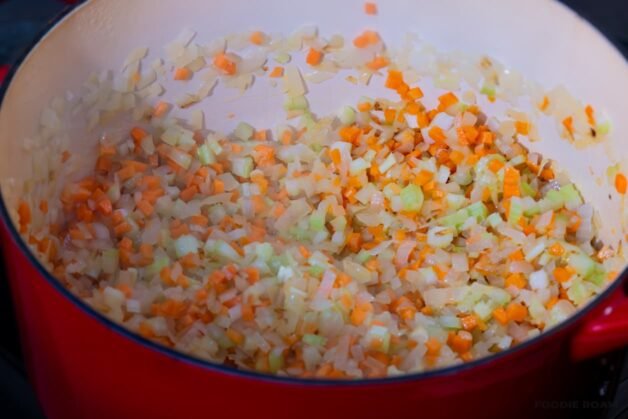
Heat olive oil in a large, heavy-bottomed pot over medium heat. Add finely chopped onions and cook for about 7–10 minutes, stirring frequently, until they turn golden and translucent. Next, add finely diced carrots and celery to the pot. Stir well and cook for another 5–7 minutes, allowing the vegetables to soften and their flavors to meld. Finally, add minced garlic and cook for 1–2 minutes until the garlic becomes fragrant. Be careful not to overcook, as burnt garlic can add bitterness to the sauce.
Step 3: Brown the Meat
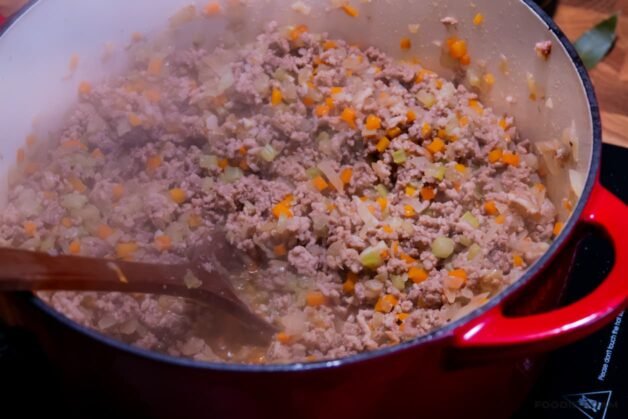
Turn up the heat to medium-high and add the seasoned pork and beef to the pot. Use a wooden spoon to break the meat into smaller pieces as it cooks. Let the meat brown evenly, stirring occasionally, for about 10 minutes. Take your time with this step to allow the meat to caramelize slightly. The browned bits on the bottom of the pot are packed with flavor and will contribute to the sauce's richness.
Step 4: Deglaze with Red Wine
Pour red wine into the pot, stirring vigorously to scrape up the browned bits from the bottom. These bits, known as fond, are key to adding depth to the ragu. Let the wine simmer for about 3–4 minutes. As it reduces, the sharpness of the alcohol will cook off, leaving behind a concentrated, fruity acidity that enhances the overall flavor of the sauce.
Step 5: Add the Tomatoes and Seasonings
Stir in the passata and tomato paste, ensuring the mixture is well combined. Drop in bay leaves for a subtle herbal note, then season with salt and black pepper. If desired, add a pinch of nutmeg for warmth and complexity. Taste the sauce at this stage, and if the tomatoes seem overly acidic, add a small amount of sugar to balance the flavors.
Step 6: Simmer the Sauce
Reduce the heat to low and partially cover the pot with a lid, leaving a small gap for steam to escape. Allow the sauce to simmer gently for 2–3 hours, stirring occasionally. During this time, the flavors will meld, the sauce will thicken, and the meat will become tender. If the sauce becomes too thick, add a splash of water or stock to loosen it.
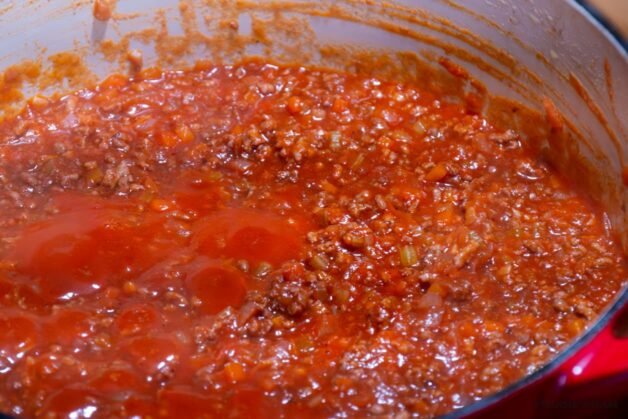
Step 7: Save for Later (Optional)
If you plan to save half of the ragu for another meal, such as lasagna, or for leftovers, now is the time to divide it. Before adding the cooked pasta, transfer half of the sauce to an airtight containerairtight container and store it in the fridge for up to three days, or freeze it for up to three months.
Step 8: Cook the Pasta
Bring a large pot of water to a boil and add salt. Cook your choice of pasta—linguine, spaghetti, or another type—but for the perfect al dente texture, reduce the cooking time by 1–2 minutes from the package instructions. This ensures the pasta is slightly undercooked when drained. Reserve a cup of pasta water before draining.
Step 9: Combine the Pasta and Sauce
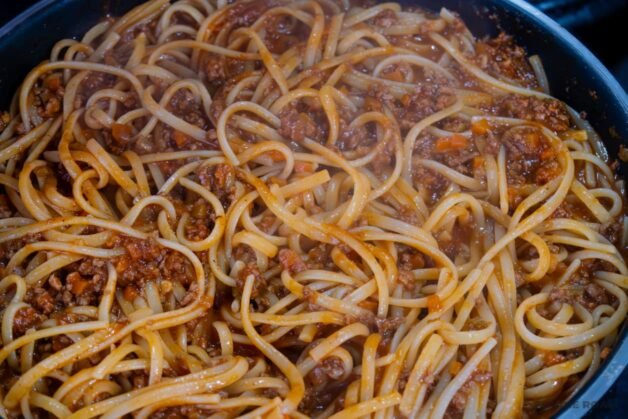
Add the undercooked pasta directly into the remaining ragu. Toss the pasta in the sauce and cook for another 2 minutes over medium heat, stirring gently to ensure the sauce evenly coats every strand. The pasta will finish cooking in the sauce, absorbing its rich flavors and reaching the ideal al dente texture. Add a splash of reserved pasta water if needed to loosen the sauce.
Paštašuta Serving Suggestions
Paštašuta is a comforting dish that works beautifully on its own but can be elevated with thoughtful pairings:
- Wine: Pair with a medium-bodied red like Merlot or Plavac Mali to complement the ragu’s richness.
- Sides: Serve with crusty bread for dipping and a fresh green salad dressed with a tangy vinaigrette to balance the richness of the sauce.
This recipe yields enough for 8–10 servings, making it perfect for family dinners or meal prep for the week ahead.
What to Do with the Reserved Ragu?
Whenever I make Paštašuta, I always save half of the meat ragu for lasagna—it’s a habit I’ve developed over the years. There’s something so satisfying about transforming the same sauce into a completely different dish. The rich, slow-cooked flavors of the ragu are a perfect match for creamy béchamel and layers of pasta sheets.
Here’s how I turn the reserved ragu into a hearty lasagna:
- Preheat your oven to 375°F (190°C).
- Spread a thin layer of meat ragu on the bottom of a baking dish.
- Add a layer of lasagna sheets, followed by more ragu, a generous amount of béchamel sauce, and a sprinkle of grated Parmesan.
- Repeat the layers until the dish is full, finishing with béchamel and a thick layer of cheese on top.
- Bake for 30–40 minutes until bubbling and golden. Let it rest for 10–15 minutes before slicing.
It’s simple, comforting, and the kind of dish that feels like a big hug. If you haven’t tried using your Paštašuta ragu for lasagna, trust me—it’s worth saving some for this. It’s my favorite way to get the most out of this delicious sauce.
Paštašuta is more than just a meal—it’s a celebration of tradition, comfort, and creativity. Whether you enjoy it with pasta today or turn it into a lasagna tomorrow, it’s a recipe that keeps giving.
What’s your favorite way to enjoy Paštašuta? Share your stories in the comments or tag me on social media with #FoodieRoam—I’d love to see your creations!
Dalmatian-Style Paštašuta
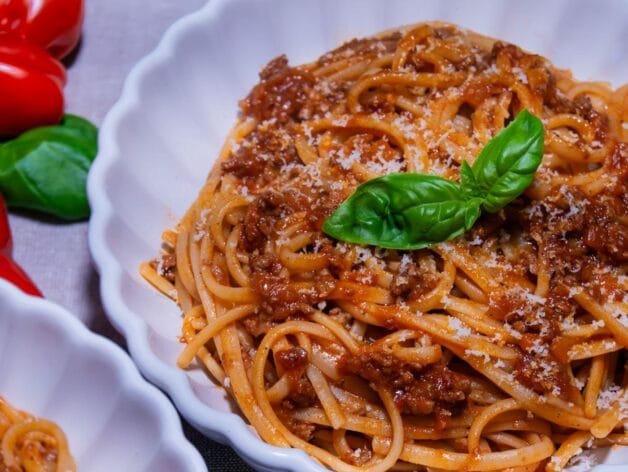
A comforting and versatile Dalmatian-style meat ragu that serves 8–10. Perfect for pasta, lasagna, or meal prep.
- Large Pot
- Medium bowl
- Large, heavy-bottomed pot
- Wooden spoon
- 1.1 lbs (500g) pork (12% fat) (, ground or diced)
- 1.1 lbs (500g) beef (18% fat) (, ground or diced)
- 5 tbsp (75ml) olive oil
- 2 (400g) large onions (, finely chopped)
- 2 (200g) medium carrots (, finely diced)
- 4 (200g) celery stalks (, finely diced)
- 3 cups (700g) passata ((or chopped tomatoes))
- 5 tbsp (80g) tomato paste
- 1 cup (250ml) red wine
- 2 bay leaves
- Salt and black pepper (to taste)
- linguine (, spaghetti, or your pasta of choice)
- 1 teaspoon sugar ((to balance acidity if needed))
- Pinch of nutmeg ((for added warmth and complexity))
- 1/4 cup (15g) fresh chopped parsley or fresh basil ((for garnish))
- 1/2 cup (50g) grated Parmesan cheese ((for serving))
Combine pork and beef in a bowl. Season lightly with salt and pepper. Set aside while preparing the aromatics.
Heat olive oil in a large pot over medium heat. Add the onions and cook until golden and translucent, about 7–10 minutes.
Stir in the diced carrots and celery. Cook for another 5–7 minutes until softened. Add minced garlic and cook for 1–2 minutes, stirring constantly, until fragrant.
Add the pork and beef to the pot. Break it apart with a wooden spoon and cook for about 10 minutes, letting it brown and caramelize slightly for deeper flavor.
Pour in the red wine, scraping up any browned bits from the bottom of the pot. Let the wine simmer for 3–4 minutes to reduce slightly.
Stir in passata and tomato paste until well combined. Add bay leaves, then season with salt and black pepper. If needed, add a pinch of sugar to balance acidity or nutmeg for warmth.
Lower the heat and partially cover the pot. Simmer the ragu for 2–3 hours, stirring occasionally. Add water or stock if it becomes too thick.
Before adding pasta, divide the ragu if desired. Save half in an airtight container for another meal, such as lasagna.
Boil pasta for 1–2 minutes less than package instructions says. Add the undercooked pasta to the ragu and toss over medium heat for 2 minutes. Add a splash of pasta water if needed to adjust consistency. Serve hot, garnished with fresh parsley or basil and grated Parmesan.
Slow Cooking: This ragu develops its depth and richness over 2–3 hours of simmering. Please don’t rush this step; it’s where the magic happens.
Optional Tomato Choices: While passata creates a smooth, cohesive sauce perfect for lasagna, using chopped or canned tomatoes adds a rustic, chunky texture closer to traditional Paštašuta.
Cook Pasta Al Dente: Undercook your pasta for 1–2 minutes according to the package instructions. Finish cooking it in the sauce for a perfectly combined and flavorful dish.
Save Half for Later: This recipe makes a large batch of ragu. Save half before adding pasta to create lasagna or for an easy reheated meal later in the week.
Customizing Garnishes: Fresh parsley or basil adds brightness, and grated Parmesan adds a savory finish, but these are optional based on your preferences.