Lasagna with Fresh Pasta: A Homemade Comfort Food Classic
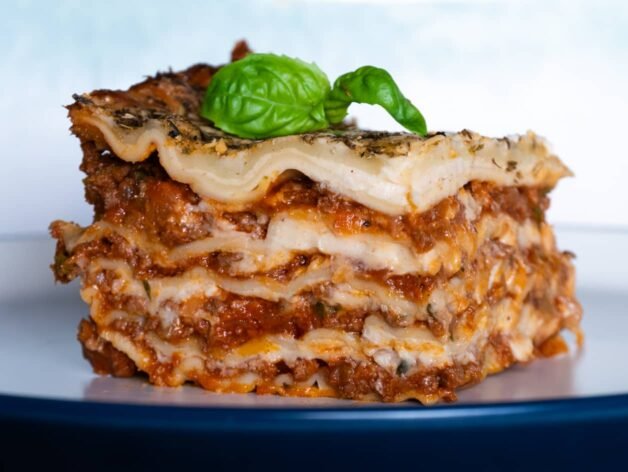
Lasagna with fresh pasta is more than a recipe to me—it’s a love letter to both tradition and personal creativity. I’ve always admired the authenticity of classic Italian lasagna, from its delicate layers to the balance of bold flavors, but I’ve also found joy in making it my own. While staying true to the essence of this timeless dish, I’ve infused it with a little piece of my culinary heritage.
For me, the magic begins with the fresh pasta. Rolling out the dough by hand, layer after layer, connects me to the craft of cooking in a way that store-bought pasta never could. Then there’s the creamy Parmesan béchamel, a rich and velvety binder that complements the heart of this lasagna: my Dalmatian-style meat ragu. This slow-cooked sauce, with its Mediterranean roots, brings a touch of Croatia to a recipe inspired by Italy.
This dish is a reflection of how I’ve grown as a cook, blending respect for tradition with a desire to create something uniquely mine. Whether it’s the perfect way to bring family together for a cozy dinner or a dish I save for special occasions, lasagna with fresh pasta is always a celebration of flavor, texture, and the joy of cooking.
Key Ingredients for Lasagna with Fresh Pasta
Dalmatian-Style Meat Ragu: The Heart of the Dish
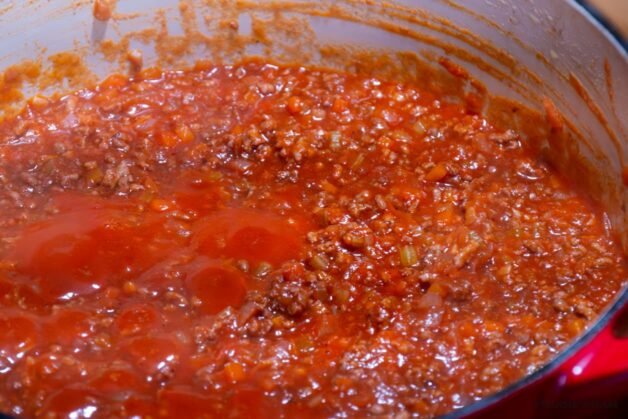
The foundation of this lasagna with fresh pasta is the rich meat ragu, slow-cooked for depth and flavor. My Dalmatian-style meat ragu combines pork and beef, aromatic vegetables, passata, and red wine, all simmered to perfection. For the lasagna, I enhance it with freshly chopped basil, which brightens the sauce and adds a Mediterranean twist.
Fresh Pasta: Elevating the Classic Lasagna
Homemade fresh pasta transforms this dish, giving it tender, delicate layers that perfectly absorb the sauce. Unlike store-bought sheets, fresh pasta brings a unique flavor and texture to the recipe.
Key Ingredients and Their Roles:
- Flour: Provides the structure for a pliable dough.
- Eggs: Add richness and elasticity, creating a smooth texture.
- Salt: Enhances the flavor of the pasta and balances the other ingredients.
How to Make Fresh Pasta:
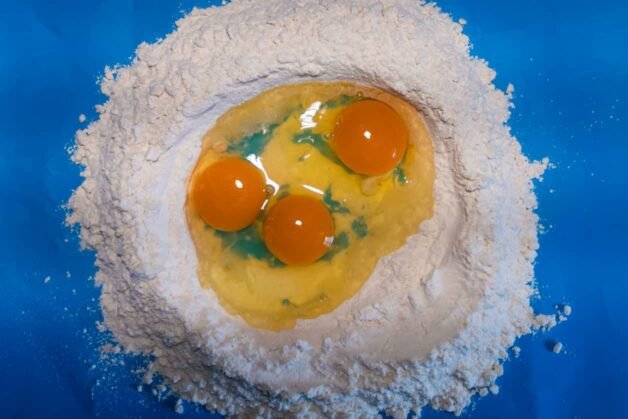
- Start by making a mound of flour on a clean surface.
- Crack the eggs into a well in the center, sprinkle with salt, and gently whisk them with a fork while gradually incorporating the flour.
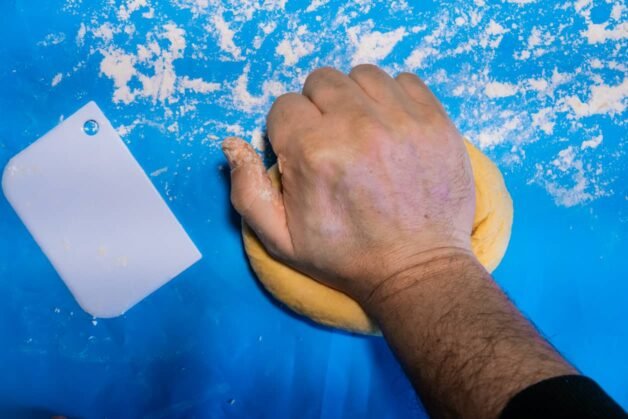
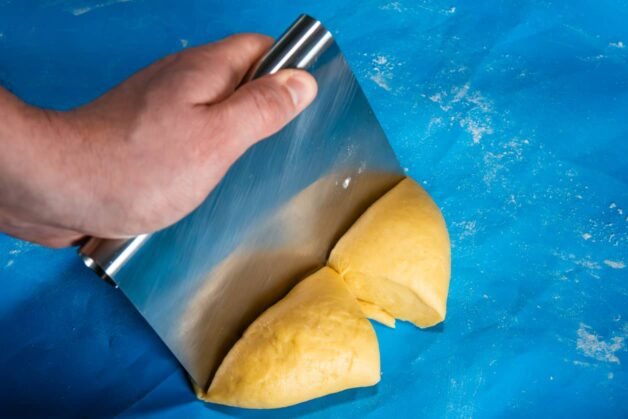
- Knead the dough for 8–10 minutes until it becomes smooth and elastic. Cover it with plastic wrap and let it rest for 30 minutes.
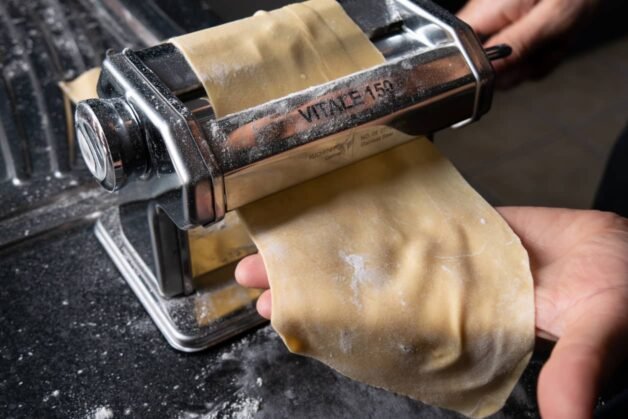
- Roll the dough thin using a pasta machine or rolling pin, then cut it into sheets sized to fit your baking dish.
Parmesan-Enriched Béchamel Sauce
The béchamel ties the layers of this lasagna with fresh pasta together, adding a creamy, velvety texture that balances the rich meat ragu. I also add a pinch of nutmeg to the béchamel, a small touch that enhances the sauce’s depth and adds warmth to the dish.
Key Ingredients and Their Roles:
- Butter and Flour: Form the roux that thickens the sauce.
- Milk: Adds creaminess and ensures a smooth consistency.
- Parmesan Cheese: Provides a nutty, savory flavor that complements the ragu.
- Egg Yolk: Makes the sauce richer and silkier.
- Nutmeg: A subtle addition that brings out the warmth and complexity of the béchamel.
How to Make It:
- Melt the butter in a saucepan over medium heat, then whisk in the flour to create a smooth roux. Cook for 1–2 minutes, stirring constantly.
- Gradually add warm milk while whisking continuously to avoid lumps. Cook until thickened, about 5–7 minutes.
- Remove from heat and stir in Parmesan cheese. Whisk in the egg yolk and a pinch of nutmeg, ensuring the sauce is smooth.
- Season with salt and pepper to taste.
This enriched béchamel, with its hint of nutmeg, complements the fresh pasta and ragu beautifully, tying the dish together with a balance of creaminess and subtle spice.
Step-by-Step Guide to Assembling and Baking Lasagna with Fresh Pasta
Step 1: Prepare the Oven and Ingredients
Before assembling the dish, preheat your oven to 375°F (190°C). Lightly grease a large baking dish with olive oil to prevent sticking.
Step 2: Layer the Lasagna for Perfect Balance
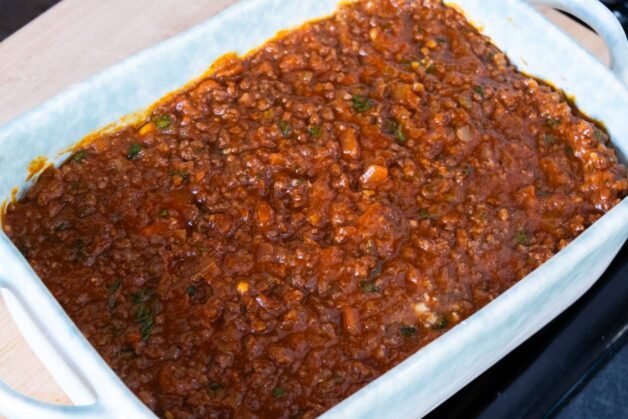
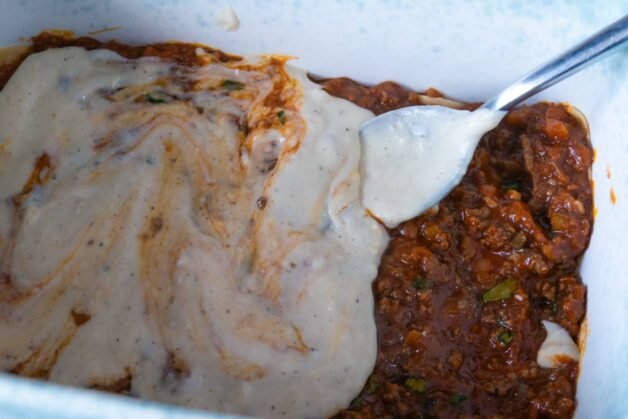
- Spread a thin layer of meat ragu on the bottom of your baking dish.
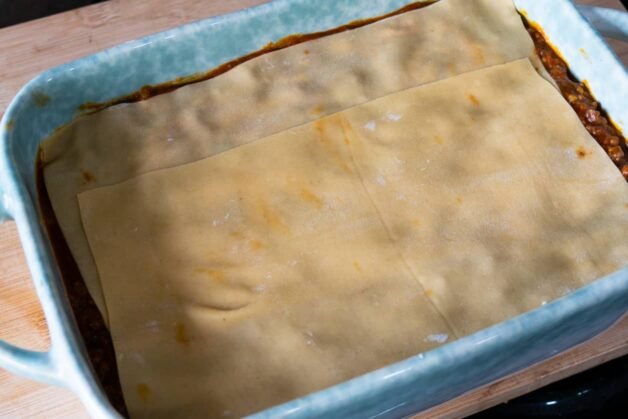
- Place a layer of fresh pasta sheets over the ragu, slightly overlapping the edges.
- Add a layer of ragu, followed by a generous spoonful of béchamel, and sprinkle with Parmesan cheese.
- Continue layering pasta, ragu, béchamel, and Parmesan until all the components are used.
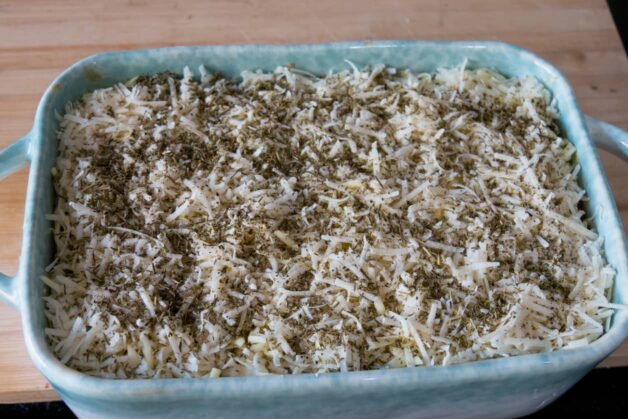
- Finish with a final layer of béchamel on top, and sprinkle with shredded mozzarella, Parmesan, and Italian herb mix.
Step 3: Bake to Perfection
- Cover the baking dish with aluminum foil, ensuring it doesn’t touch the cheese. This prevents sticking and protects the herbs from burning.
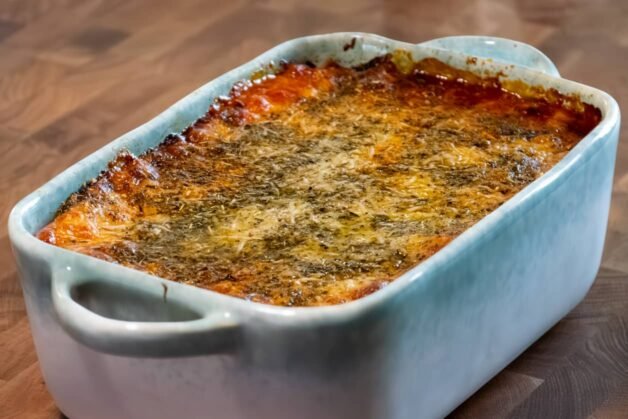
- Bake the lasagna for 30 minutes. After that, remove the foil and bake for an additional 10–15 minutes, or until the top is golden and bubbling.
Step 4: Rest and Slice the Lasagna
Once the lasagna is baked, let it rest for 10–15 minutes. This allows the layers to set, making it easier to slice and serve without falling apart.
Perfect Pairings for Lasagna with Fresh Pasta
Pair this indulgent lasagna with sides and drinks that enhance its flavors and richness:
- A Crisp Salad: Arugula tossed with a lemon vinaigrette offers a light, tangy contrast to the creamy béchamel and meat ragu.
- A Bold Red Wine: Opt for a widely available wine like Chianti Classico, Cabernet Sauvignon, or Malbec. Their balanced acidity and full-bodied profiles perfectly complement the hearty layers of the lasagna.
- Crusty Bread: Serve with garlic bread or focaccia to soak up every bit of the flavorful sauce.
These pairings create a well-rounded meal that’s as comforting as it is delicious.
Storing, Reheating, and Freezing Lasagna with Fresh Pasta
- Refrigerate: Store leftover lasagna in an airtight container for up to 3 days.
- Freeze: Slice into individual portions, wrap tightly in plastic wrap or foil, and freeze for up to 3 months.
- Reheat: Cover with foil and warm in the oven at 350°F (175°C) until heated through. For individual portions, microwaving is a quicker option.
Why I Love Making Lasagna with Fresh Pasta
Creating lasagna with fresh pasta is a deeply satisfying process. From rolling out the pasta sheets to layering the dish with care, every step reflects my passion for homemade cooking. The flavors are bolder, the textures are more delicate, and the final result is always worth the time and effort.
Share Your Homemade Lasagna with Fresh Pasta!
Have you tried making lasagna with fresh pasta? I’d love to hear about your twists on this classic dish. Share your ideas in the comments or tag me on Instagram using #FoodieRoam—I can’t wait to see your delicious creations!
Lasagna with Fresh Pasta
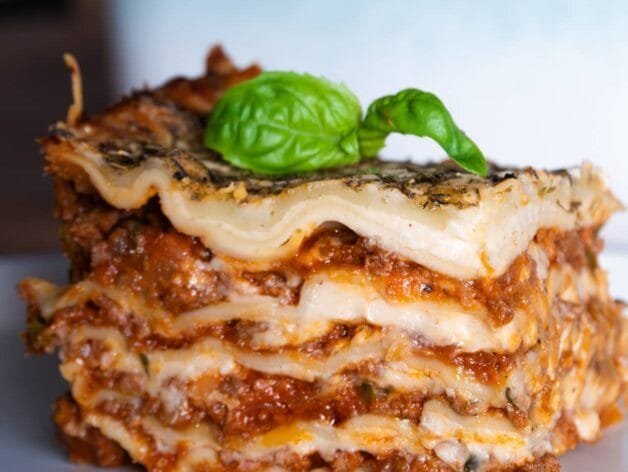
A rich and indulgent lasagna made with homemade pasta sheets, creamy Parmesan béchamel sauce, and slow-cooked Dalmatian-style meat ragu.
- Large Pot
- Baking Dish
- Pasta Machine or Rolling Pin
- Mixing bowls
- Dough Scraper
- Saucepan
- Whisk
- Wooden spoon
For the Meat Ragu
- 7 oz (200g) ground pork ((12% fat))
- 7 oz (200g) ground beef ((18% fat))
- 1 large onion (finely chopped (7 oz / 200g))
- 1 medium carrot (finely chopped (3.5 oz / 100g))
- 2 celery stalk (finely chopped (1.8 oz / 100g))
- 1 ½ cups (350g) passata
- 1 tbsp (15g) tomato paste
- 1/3 cup (80ml) dry red wine
- 2 tbsp (30ml) olive oil ((extra virgin))
- 1 bay leaf
- Salt and pepper to taste
- 1 tsp 5g sugar ((optional, to balance acidity))
- 2 tbsp 10g fresh basil, finely chopped ((added after cooking))
For the Fresh Pasta
- 2 ½ cups 300g all-purpose flour
- 3 large eggs
- Pinch of salt
For the Parmesan-Enriched Béchamel Sauce
- 3 tbsp (45g) unsalted butter
- 3 tbsp (30g) all-purpose flour
- 2 ½ cups (625ml) milk (warm)
- 1/4 cup (25g) grated Parmesan cheese
- 1 egg yolk
- Pinch of nutmeg
- Salt and pepper (to taste)
For the Assembly
- 1 cup (100g) grated Parmesan cheese
- 1 cup (100g) shredded mozzarella cheese
- 1 tsp (4g) Italian herb mix ((oregano, thyme, basil))
- Olive oil for greasing ((optional))
Step 1: Prepare the Dalmatian-Style Meat Ragu
Heat 2 tbsp (30ml) of olive oil in a large pot over medium heat. Add the onion, carrot, and celery. Cook for 8–10 minutes, stirring occasionally, until softened and golden.
Add the ground pork and beef. Cook for 10 minutes, breaking up the meat with a wooden spoon, until browned.
Pour in 1/3 cup (80ml) of red wine and scrape up any browned bits from the bottom of the pot. Simmer for 3–4 minutes, until the alcohol evaporates.
Stir in 1 ½ cups (350g) of passata, 1 tbsp (15g) of tomato paste, and the bay leaf. Season with salt, pepper, and sugar if needed.
Lower the heat and simmer for 1 ½–2 hours, stirring occasionally, until thickened. Add water or stock if the sauce becomes too dry.
Remove the bay leaf and stir in 2 tbsp (10g) of chopped basil. Set aside.
Step 2: Make the Fresh Pasta
Mound 2 ½ cups (300g) of flour on a clean surface. Create a well in the center and crack 3 large eggs into it. Sprinkle with salt. Gently whisk the eggs, gradually incorporating the flour.
Knead for 8–10 minutes, until smooth and elastic. Cover with plastic wrap and let rest for 30 minutes.
Roll out the dough into thin sheets using a pasta machine or rolling pin. Cut into sheets sized to fit your 10 x 7-inch (25 x 17.5 cm) baking dish.
Step 3: Prepare the Parmesan-Enriched Béchamel Sauce
Melt 3 tbsp (45g) of butter in a saucepan over medium heat. Whisk in 3 tbsp (30g) of flour to form a smooth roux. Cook for 1–2 minutes, stirring constantly.
Gradually whisk in 2 ½ cups (625ml) of warm milk, cooking until thickened (5–7 minutes).
Remove from heat and stir in 1/4 cup (25g) of grated Parmesan cheese. Whisk in 1 egg yolk and a pinch of nutmeg. Season with salt and pepper.
Step 4: Assemble the Lasagna
Preheat the oven to 375°F (190°C) and grease a 10 x 7-inch (25 x 17.5 cm) baking dish with olive oil.
Start with a thin layer of ragu (about ¾ cup / 175ml) on the bottom of the dish. Place the first pasta sheet over the ragu. Add ¾ cup (175ml) of ragu, ½ cup (125ml) of béchamel, and sprinkle with 3 tbsp (20g) Parmesan cheese. Repeat for 3 more layers, alternating ragu, béchamel, and Parmesan. For the top layer, spread the remaining béchamel, and sprinkle with mozzarella, Parmesan, and Italian herb mix.
Step 5: Bake the Lasagna
Cover the dish with aluminum foil, ensuring it doesn’t touch the cheese.
- Bake for 30 minutes.
Remove the foil and bake for an additional 10–15 minutes, until the top is golden and bubbling.
Let the lasagna rest for 15–20 minutes before slicing to allow the layers to set.
Allow the lasagna to rest for at least 10–15 minutes after baking to set the layers.
Adjust the thickness of pasta sheets for your preferred texture.
Stir the béchamel sauce continuously while adding milk to prevent lumps.
Use high-quality Parmesan and mozzarella for the best flavor.