Rustic Baguettes: Homemade Bread with Character
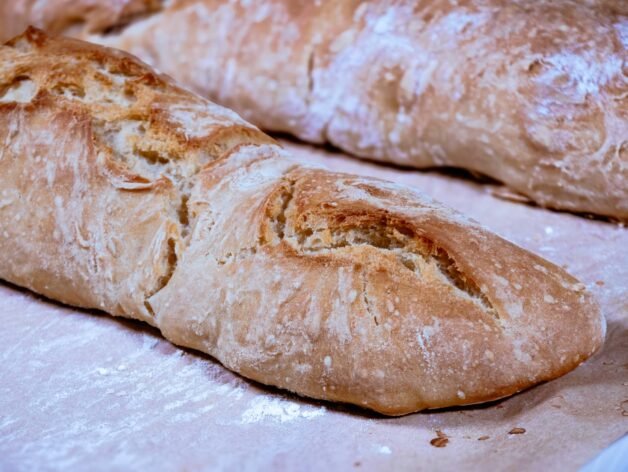
Rustic baguettes aren’t the perfectly shaped, flawlessly scored loaves with paper-thin crusts you’ll find in Parisian bakeries. These baguettes are different—imperfectly shaped, with a crispy crust, rich aroma, and a heartier texture. Each loaf tells a story, and today, I’m sharing one from a quiet Slovenian mountain village, where simple ingredients and gentle handling created bread I’ll never forget.
The Story Behind Rustic Baguettes: Marija’s Mountain Bakery
It was a foggy autumn morning in a remote Slovenian village. I found myself in a small mountain inn run by a warm-hearted woman named Marija. Her kitchen smelled of fresh bread and warm crusts, with sunlight streaming through the window, illuminating a flour-dusted wooden table.
“You have to respect the dough,” Marija said as she carefully shaped each baguette, her hands moving with practiced precision.
Her baguettes were far from perfect in shape, but they were alive. Rough and irregular on the outside, yet airy and fragrant within. As they baked in her old oven, she shared stories about her grandmother, who taught her that time and patience were the most important ingredients.
That day left a lasting impression on me. Now, every time I prepare dough and let it rest overnight, I think of Marija and her steady, gentle hands.
Today, it’s your turn to create these rustic baguettes—imperfect yet perfect in their own way.
How to Make Rustic Baguette - Step-by-Step Guide
Step 1. Mixing the Dough
Every great baguette starts with simple ingredients. In a large mixing bowl, combine flour, salt, and yeast. Add room-temperature water and mix with your hands or a wooden spoon until the dough becomes a sticky, shaggy mass.
Don’t worry about creating a smooth ball of dough—the goal here is moisture and flexibility. Overworking the dough isn’t necessary; just ensure the ingredients are evenly combined.
Once mixed, your dough is ready for the next step.
Step 2. Fermenting the Dough
Cover the bowl with a clean kitchen towel or plastic wrap and let the dough rest at room temperature.
Allow it to ferment for 8 to 10 hours—ideally overnight. This slow rise is where the magic happens. The yeast works gradually, creating air pockets and developing rich, complex flavors.
You’ll know the dough is ready when it has doubled in size and you see air bubbles across the surface.
Step 3. Shaping the Baguettes
After fermentation, gently transfer the dough onto a lightly floured surface using a plastic dough scraper. Handle the dough delicately to preserve the precious air bubbles.
Divide the dough into four equal pieces using a sharp knife or scraper.
Take each piece and gently stretch it into a rectangle. Fold the long sides inward toward the center to form a rough cylinder. Roll the dough slightly to elongate it into a baguette shape.
Place the shaped baguettes onto a baking sheet lined with parchment paper, leaving space between them for expansion. Lightly dust them with flour.
Step 4. Scoring and Prepping for Baking
Before baking, score each baguette with a sharp knife or bread lame. Make a few shallow diagonal cuts along the surface—these will guide the dough as it expands in the oven.
Preheat your oven to 428°F (220°C). Place a metal baking dish filled with water on the bottom rack. The steam will help create that signature crispy crust.
Step 5. Baking the Baguettes
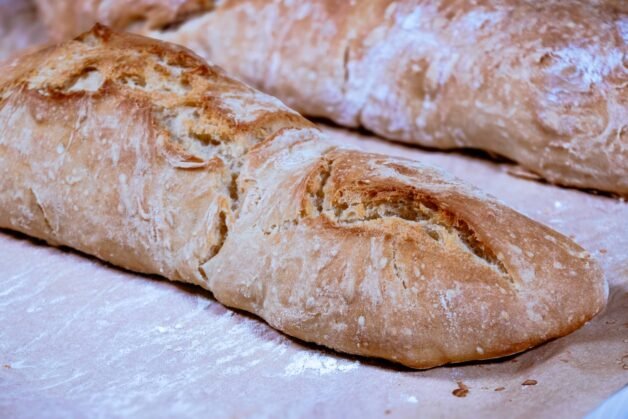
Place the baguettes in the preheated oven and bake until they turn a deep golden brown with a crispy crust. This usually takes 25 to 30 minutes, but keep an eye on them as ovens may vary.
Once baked, transfer the baguettes to a wire rack to cool completely. This final cooling step helps maintain their airy interior.
Tips for Perfect Rustic Baguettes: Secrets to Success
Time is Your Greatest Ingredient
Slow fermentation develops deep flavors and a light, airy texture. Don’t rush this step—it’s worth every hour of waiting.
Handle with Care
When shaping, be gentle with the dough to preserve the delicate air pockets. Every bubble adds to the baguette’s character.
Steam for the Perfect Crust
The steam in the oven is essential for creating a crispy, crackly crust. A simple pan of water does the trick.
Score with Purpose
Scoring isn’t just for looks—it allows the dough to expand properly in the oven. Use confident, shallow cuts.
Patience Until the End
Resist the temptation to slice into warm baguettes. Let them cool completely on a wire rack to preserve their interior texture.
Serving and Storing Rustic Baguettes
Serving Suggestions for Rustic Baguettes
Rustic baguettes are incredibly versatile and pair beautifully with a variety of dishes. Here are some serving ideas:
- Classic with Butter: Enjoy warm slices of rustic baguette with salted butter for a simple yet satisfying snack.
- Soup Companion: Serve alongside hearty soups like French onion, tomato bisque, or creamy mushroom.
- Charcuterie Board: Pair with cured meats, cheeses, olives, and spreads for a rustic appetizer platter.
- Bruschetta: Toast slices, rub them with garlic, and top with fresh tomatoes, basil, and olive oil.
- Sandwich Base: Use sliced baguettes for classic sandwiches like ham and cheese, or create gourmet paninis.

How to Store Rustic Baguettes
Proper storage ensures your rustic baguettes stay fresh and delicious for as long as possible:
- Room Temperature: Store in a paper bag or wrapped in a clean kitchen towel for up to 2 days. Avoid plastic bags, as they trap moisture and soften the crust.
- Freezing: For longer storage, slice the baguettes, wrap them in aluminum foil or plastic wrap, and freeze them for up to 3 months. Reheat directly from frozen in a preheated oven at 350°F (175°C) for 10–15 minutes.
- Reviving Stale Baguettes: Lightly sprinkle the baguette with water, wrap it in foil, and warm it in the oven at 350°F (175°C) for about 10 minutes to restore its crispiness.
With these tips, your rustic baguettes will remain a delicious addition to your table, whether served fresh or revived from storage. Enjoy every crunchy bite!
Rustic Baguettes: A Story in Every Bite
These rustic baguettes aren’t about perfection—they’re about personality. Each uneven shape and airy pocket tells a story of time, patience, and care.
Serve them warm with salted butter, alongside a hearty soup, or as the foundation for a fresh sandwich. However you enjoy them, know that every bite carries a bit of tradition and love.
Have you tried this recipe? Share your rustic baguettes with us in the comments below or tag your creations on Instagram with #FoodieRoam.
Happy baking!
Rustic Baguettes
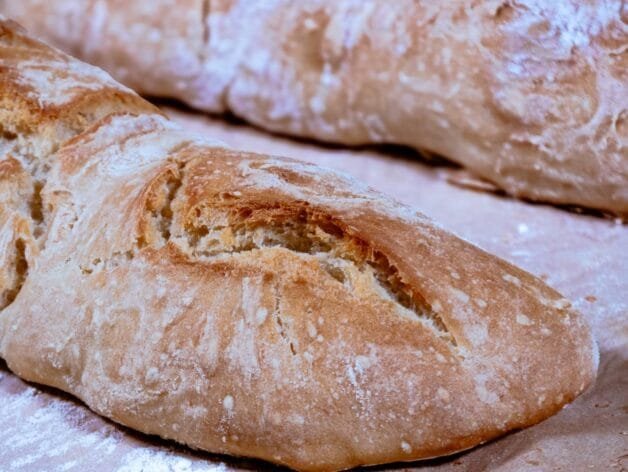
Easy homemade rustic baguettes with a crispy crust, soft interior, and rich aroma—perfect for sandwiches, soups, or enjoying with butter.
- Large mixing bowl
- Wooden spoon
- Baking sheet
- Sharp knife or lame
- Oven-safe water pan
- Wire cooling rack
- 7 1/2 cups (950 g) all-purpose flour
- 2 tsp (16 g) salt
- 1 (7 g) packet dry yeast
- 3 cups (730 ml) filtered water (room temperature)
- In a large mixing bowl, combine flour, salt, and yeast. Add water and mix until a sticky dough forms. No need for overmixing—just make sure everything is combined evenly.
- Cover the dough with a clean kitchen towel or plastic wrap and let it rest at room temperature for 8–10 hours, or overnight. The dough should double in size and become bubbly on the surface.
- Gently transfer the dough onto a floured surface. Divide it into four pieces and shape each one into a rough rectangle, then roll them into baguette shapes. Place them on a parchment-lined baking sheet.
Score the baguettes with diagonal cuts using a sharp knife. Preheat your oven to 428°F (220°C) and place a pan of water on the bottom rack for steam.
- Bake the baguettes for 25–30 minutes or until golden brown and crispy. Cool them on a wire rack before slicing.
Don’t skip the fermentation time: Slow rising is key for flavor and texture.
Handle the dough gently: Preserve air bubbles for a light, airy crumb.
Use steam during baking: A pan of water ensures a crisp, golden crust.
Allow to cool fully: Cutting warm baguettes can ruin their structure.