Shrimp & Pork Dumplings – 3 Ways to Make Them at Home
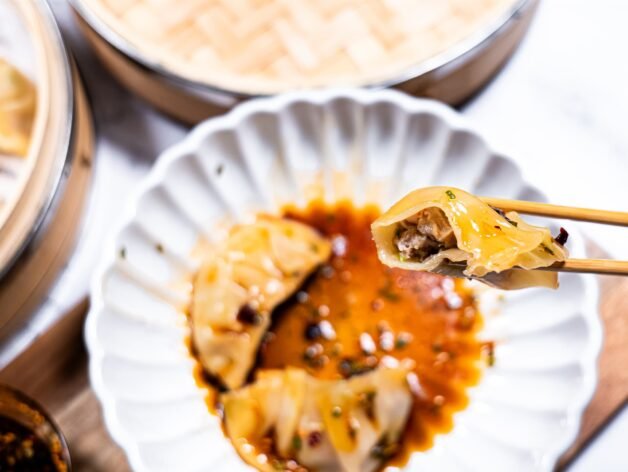
I honestly can't remember the first time I tried shrimp & pork dumplings. Was it in Thailand? Maybe Malaysia? But I do remember the moment I truly fell in love with them—three days in a row, eating nothing but dumplings in Hong Kong. That’s when I knew I had to learn how to make shrimp & pork dumplings at home.
Fast forward to today, and after years of experimenting, I can confidently say this is my best dumpling recipe yet. Perfectly juicy shrimp and pork filling, wrapped in a delicate, chewy skin, with three ways to cook them to perfection. And the best part? My friends and my husband are just as obsessed as I am!
If you’ve ever wanted to make shrimp & pork dumplings from scratch, this is the recipe to try. Trust me—once you taste them, you might just want to eat them for three days straight too.

Why You’ll Love These Shrimp & Pork Dumplings
- Irresistibly Juicy – The combination of pork and shrimp makes the filling incredibly tender and flavorful.
- Three Cooking Methods – Pan-fried (potstickers), boiled, or steamed—choose your favorite!
- Freezer-Friendly – Make a big batch and enjoy dumplings anytime.
- Authentic Yet Simple – No special equipment required, just real, delicious flavors.
A Quick Look at Dumpling Culture
Dumplings are a global phenomenon, but Chinese jiaozi are among the most iconic. These little pockets of goodness date back over 1,800 years, with origins linked to a Chinese physician, Zhang Zhongjing. Legend has it that he made them to help people survive the cold winters, stuffing them with meat and warming spices.
Today, dumplings are enjoyed across Asia, each region adding its own twist. Whether you know them as jiaozi, gyoza, or mandu, one thing is certain—dumplings bring comfort and joy in every bite.

Essential Ingredients for the Best Shrimp & Pork Dumplings
Pork & Shrimp – The Perfect Duo
Pork adds richness, while shrimp brings a slight sweetness and bouncy texture. Together, they create a flavor-packed filling that’s juicy and tender.
Napa Cabbage – A Secret to Juiciness
Cabbage helps keep the filling moist without making it watery. The trick? Salt it first, let it sit, then squeeze out excess liquid.
Aromatics – Garlic, Ginger & Scallions
These three ingredients are the holy trinity of Asian dumpling flavors. Don’t skip them!
Seasonings – Umami Boosters
- Soy sauce – Salty, deep umami flavor
- Shaoxing wine – Adds complexity (sub with dry sherry if needed)
- Sesame oil – A nutty aroma that ties everything together
Pro Tip: Mixing the filling in one direction helps bind the ingredients together for a smoother texture.
Homemade vs. Store-Bought Dumpling Wrappers – Which One to Choose?
I’ll admit it—I used store-bought dumpling wrappers for this recipe, and that’s completely fine! They’re convenient, consistent, and save time, which is why many home cooks (and even pros) prefer them.
But if you’re up for a bit of a challenge, making dumpling dough from scratch is a great way to elevate your homemade dumplings. It takes a little extra time, but the texture is incredible—soft, slightly chewy, and more pliable for pleating.

Why Make Homemade Dumpling Dough?
- Better Texture – Softer and chewier than store-bought wrappers
- Customizable Thickness – Roll them as thin or thick as you like
- No Preservatives – Just flour, water, and a pinch of salt
If you want to try making your own dumpling wrappers, check out the full recipe in the recipe box below!
So, Which One Should You Use?
Both store-bought and homemade wrappers work beautifully—it depends on your preference and time.
Use store-bought if:
- You’re short on time and want an easy dumpling-making session
- You prefer perfectly uniform wrappers
Make homemade dough if:
- You love the process and want total control over thickness and texture
- You enjoy making dumplings entirely from scratch
Either way, these shrimp & pork dumplings will turn out delicious!
Would you try making your own wrappers, or do you prefer the convenience of store-bought? Let me know in the comments!
Step-by-Step Guide: How to Fold Shrimp & Pork Dumplings
There are many ways to fold dumplings, and every cook has their own style. Some techniques are simple, while others require years of practice to master, like those used by Chinese dumpling masters. But the good news is—you don’t need to be a pro to make great dumplings at home!
This is my favorite folding method, which may not be the most elegant, but it works beautifully and ensures that the dumplings stay sealed during cooking. Plus, it’s beginner-friendly and yields consistently great results.
Here’s a step-by-step guide, with photos to help you along the way.
Step 1: Add the Filling
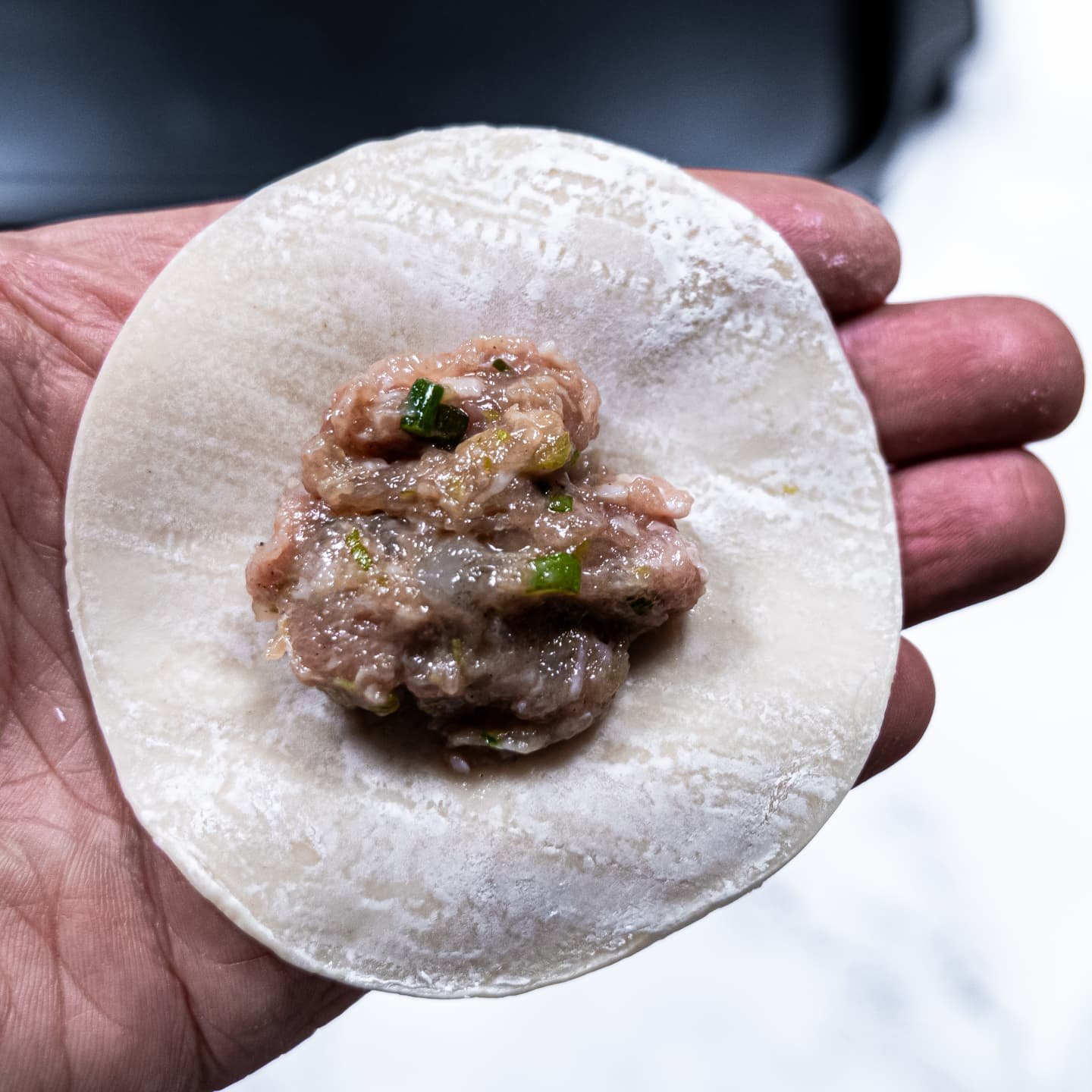
Place a teaspoon of filling in the center of a dumpling wrapper. Be careful not to overfill, as too much filling can make sealing difficult and may cause the dumpling to break open during cooking.
Tip: Keep the edges of the wrapper clean and dry to ensure a strong seal.
Step 2: Moisten the Edges

Dip your finger in a small bowl of water and lightly moisten the edge of the wrapper. This helps the dough stick together when folded.
Why? Without moisture, the dough may not seal properly, causing dumplings to open while cooking.
Step 3: Fold in Half & Seal
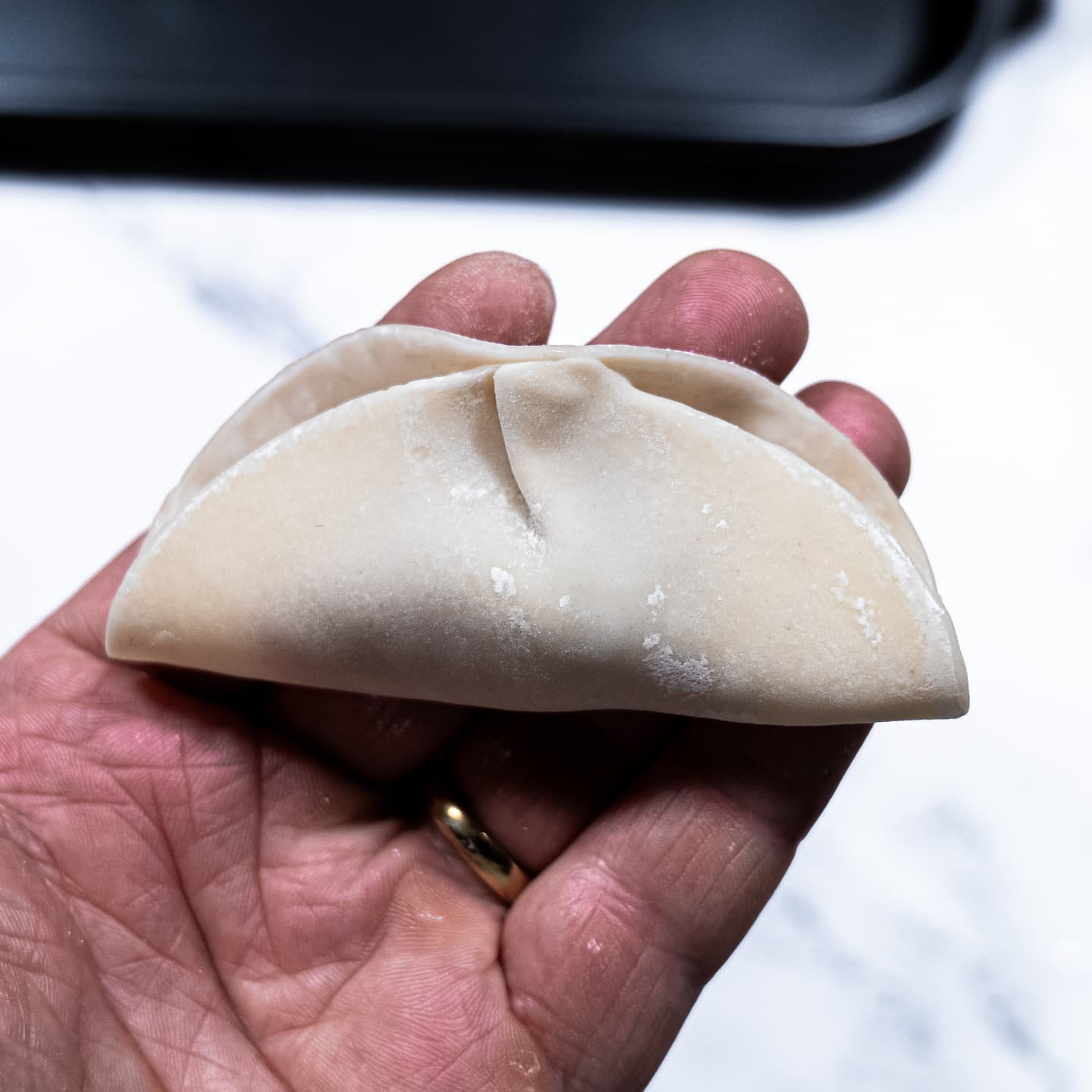
Fold the wrapper in half over the filling and press the center together firmly to seal. At this stage, you have a simple dumpling shape—now it’s time to create the pleats.
Tip: If you want to keep it simple, you can stop here and cook them as-is. But for a more traditional look, let’s add some pleats!
Step 4: Create the Pleats

Using your fingers, start pleating one side of the dumpling, pressing each pleat against the opposite side to secure it. Work your way from the center outward until you reach the edges.
Step 5: Final Seal & Shape
Once all the pleats are in place, press firmly along the top edge to ensure a tight seal. Your dumpling should now have a beautiful crescent shape and be ready for cooking!
Check: If any areas feel loose, press again to make sure they’re completely sealed.
At this point, your dumplings are perfectly shaped and ready to be pan-fried, boiled, or steamed. Whichever method you choose, these dumplings will hold their shape and cook beautifully.
How to Cook Shrimp & Pork Dumplings – What’s the Difference?
Dumplings are incredibly versatile, and the cooking method you choose dramatically affects their texture and flavor. Whether you prefer a crispy bite, a soft and juicy filling, or something light and delicate, each technique brings out a unique quality in shrimp & pork dumplings.
Let’s break down the differences so you can pick the best one for your mood!
Pan-Fried Dumplings (Potstickers) – Crispy & Juicy
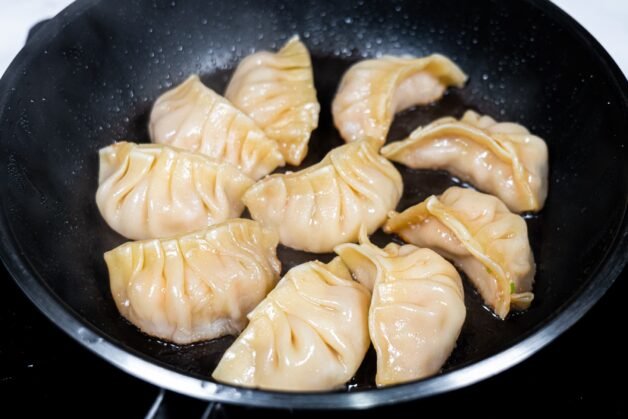
- Best for: When you crave a crispy texture with a juicy center
- Texture: Golden-brown and crunchy on the bottom, soft and tender on top
- Quick Summary: Dumplings are first seared in oil for a crispy bottom, then steamed in the same pan to cook the filling while keeping the wrapper tender.
Pro Tip: This method is perfect if you love contrast—crispy and tender in one bite!
Boiled Dumplings – Soft, Chewy & Juicy

- Best for: When you want a softer, plumper dumpling
- Texture: Delicate and slightly chewy, with a juicy interior
- Quick Summary: Dumplings are cooked directly in boiling water, making them softer than pan-fried dumplings and perfect for tossing in sauce or adding to soups.
Pro Tip: If you love dumplings with extra sauce, this is the best choice—boiled dumplings soak up flavors beautifully!
Steamed Dumplings – Light, Tender & Delicate

- Best for: When you want a lighter, more delicate texture
- Texture: Soft, slightly chewy, and smooth
- Quick Summary: Dumplings are steamed over boiling water, which keeps the flavors pure while giving the wrappers a slightly chewy but tender texture.
Pro Tip: If you love dim sum-style dumplings, steaming is the way to go!
Make-Ahead & Storage Tips
- To Freeze: Arrange dumplings on a tray, freeze until solid, then transfer to a ziplock bag. Cook straight from frozen—just add 2-3 minutes to the cooking time.
- Leftovers: Store cooked dumplings in an airtight container in the fridge for up to 3 days.

Why Homemade Shrimp & Pork Dumplings Are Worth It
Homemade shrimp & pork dumplings are easier than you think—and way better than takeout! Try making them once, and I promise, you'll want to keep a batch in your freezer at all times.
What’s your favorite way to cook dumplings—pan-fried, boiled, or steamed? Let me know in the comments!
Shrimp & Pork Dumplings
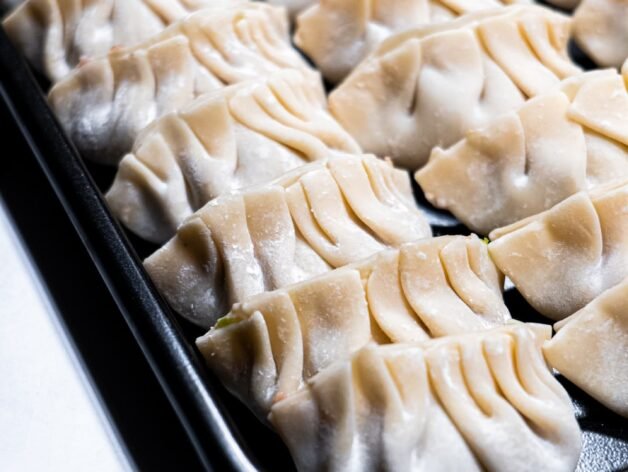
Savory shrimp and pork dumplings made with a juicy, flavorful filling and three cooking methods: pan-fried (potstickers), boiled, and steamed. Serve with a tangy soy-based dipping sauce for the perfect bite.
- Mixing Bowl
- Steamer
- Large Pot
- Non-stick pan with lid
- Rolling Pin
Dough
- 2 ½ cups all-purpose flour
- ⅔ cup warm water
- A pinch of salt
Filling
- 8 oz ground pork (preferably shoulder or belly)
- 6 oz raw shrimp (peeled and roughly chopped)
- 2 oz Napa cabbage (finely chopped, salted, and drained)
- 1 scallion (finely chopped)
- 1 garlic clove (grated)
- ½ in fresh ginger (grated)
- 1 tbsp soy sauce
- 1 tbsp Shaoxing wine (or dry sherry)
- 1 tsp sesame oil
- 1 tsp rice vinegar
- ½ tsp salt
- ½ tsp white pepper
- 1 tsp sugar
- 1 tsp cornstarch
Dipping sauce
- 4 tbsp soy sauce
- 2 tbsp rice vinegar
- 1 tsp sugar
- 1 tsp chili oil (optional)
- Chopped scallions and toasted sesame seeds for garnish
Making the Dough (Skip if using store-bought wrappers)
- In a large bowl, combine flour, salt, and warm water. Stir until the mixture starts to come together.
- Transfer the dough to a floured surface and knead for about 8-10 minutes until it becomes smooth and elastic.
- Cover the dough with a damp cloth and let it rest for 40 minutes to allow the gluten to develop.
- Roll out the dough thinly and cut into 3-inch (8 cm) circles for even dumpling wrappers.
Preparing the Filling
- In a large bowl, mix the ground pork, shrimp, Napa cabbage, and scallion until evenly distributed.
- Incorporate garlic, ginger, soy sauce, Shaoxing wine, sesame oil, rice vinegar, salt, pepper, sugar, and cornstarch.
- Mix vigorously in one direction until the filling turns sticky, ensuring a cohesive and tender dumpling interior. Refrigerate for 30 minutes.
Shaping the Dumplings
- Place 1 tsp of filling in the center of each wrapper, ensuring a balanced filling-to-wrapper ratio.
- Lightly dampen the wrapper edges with water, then fold the dumpling in half over the filling.
- Pinch pleats along the edge for a traditional look or press with a fork for a simpler, secure seal.
1'st Cooking Method: Pan-Fried Dumplings (Potstickers)
- Heat a bit of oil in a pan over medium heat and arrange dumplings in a single layer. Cook for 2-3 minutes until golden brown.
- Add ¼ cup (50 ml) of water, cover the pan, and steam for 5-6 minutes until the water fully evaporates.
- Uncover the pan and let the dumplings crisp up for another minute, enhancing the crunchy texture.
2'nd Cooking Method: Boiled Dumplings
- Fill a large pot with water and bring it to a rolling boil.
- Drop dumplings in gently, stirring to prevent sticking. Cook for about 5 minutes, or until they float.
Remove with a slotted spoon and serve immediately with your favorite dipping sauce or soup.
3'rd Cooking Method: Steamed Dumplings
- Line a bamboo or metal steamer with parchment paper or cabbage leaves.
- Place dumplings in a single layer with enough space between them.
- Steam over boiling water for 8-10 minutes until fully cooked.
Dough: If using store-bought wrappers, skip the dough-making process and use pre-made dumpling skins.
Filling: Stir in one direction to help bind the mixture for a better texture.
Sealing: Ensure edges are well-sealed to prevent dumplings from opening during cooking.
Pan-Frying: Use a lid while steaming dumplings in the pan to ensure even cooking.
Boiling: Stir gently after adding dumplings to prevent sticking.
Steaming: Use parchment paper or cabbage leaves to prevent dumplings from sticking to the steamer.