Traditional Balkan Flatbread: Light, Airy, and Irresistibly Delicious
Why Flatbreads Are Essential for the Perfect Meal
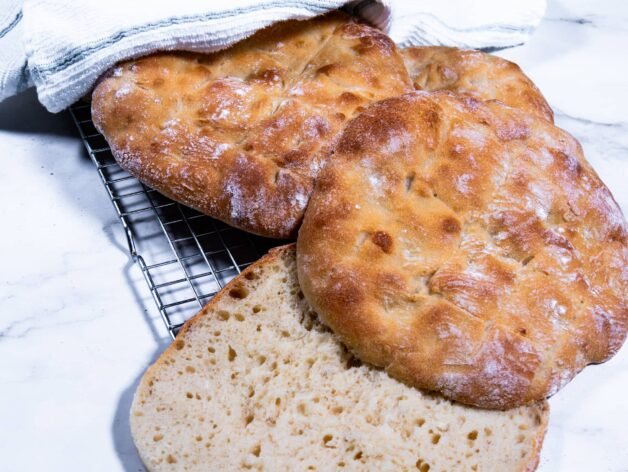
Flatbreads are a cornerstone of many traditional meals, especially in the Balkans. Their soft texture, slight chew, and ability to soak up flavors make them the perfect vessel for hearty dishes. Whether you enjoy them with smoky grilled meats or a simple spread of butter and salt, flatbreads elevate every bite.
In Croatia, flatbreads like these—known as lepinje—are inseparable from ćevapčići. The combination of tender bread, juicy kebabs, and fresh toppings like onions and kajmak creates a dish that’s comforting, satisfying, and full of tradition.
What Makes These Flatbreads Special?
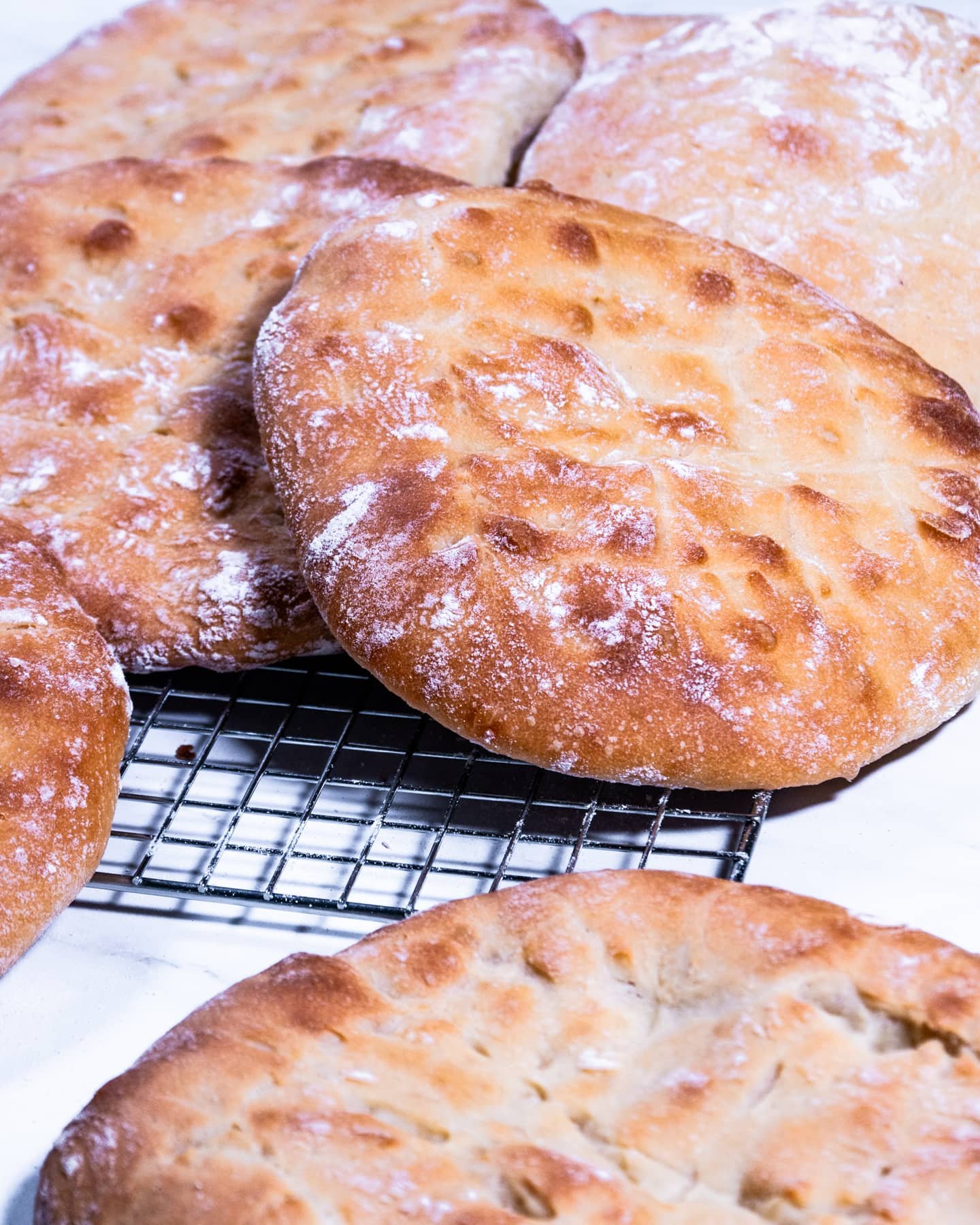
The secret to these flatbreads lies in their high-hydration dough. While it may seem sticky and tricky to handle, this is what creates their irresistibly soft texture and elasticity. Each bite is light and airy, yet substantial enough to hold bold fillings like ćevapčići.
The process of adding oil to the dough after its initial rise also ensures extra softness and subtle richness. These small steps are what set these flatbreads apart, making them a must-try for anyone seeking authentic flavors.
Baking Flatbreads on a Pizza Stone
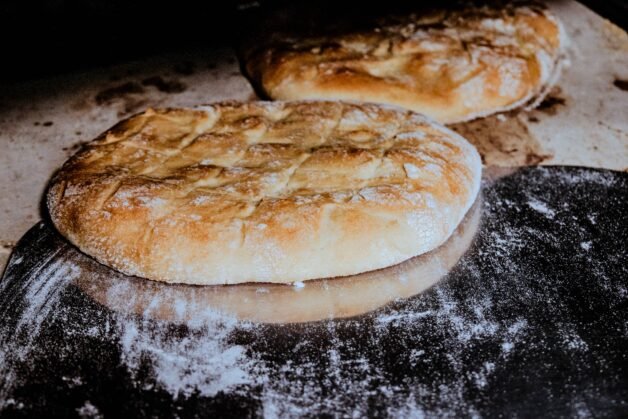
Using a pizza stone adds rustic charm and enhances the texture of your flatbreads. Here’s how to do it:
What You’ll Need:
- Pizza stone
- Pizza peel
- Parchment paper (optional)
Steps:
1. Preheat the Stone: Place the pizza stone in the oven and preheat to 250°C for at least 30 minutes. A fully heated stone ensures even baking.
2. Prepare Flatbreads: Shape the dough as per the recipe and let it rise on a floured surface or parchment paper.
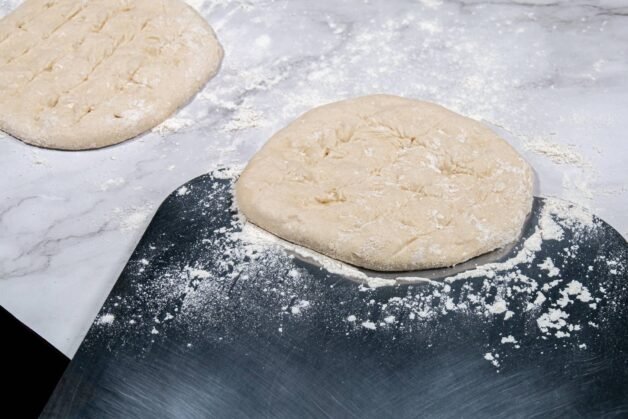
3. Transfer to Stone: Lightly flour the peel, place a flatbread on it, and slide it onto the hot stone. Use parchment paper if needed for easier handling.
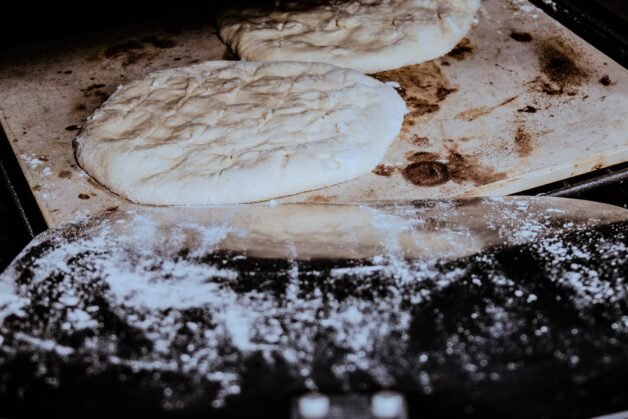
4. Bake: Bake each flatbread for 6-10 minutes until puffed and golden brown. Remove with the peel and repeat.
Tips:
- Preheat the stone thoroughly for the best results.
- Bake one or two flatbreads at a time for even cooking.
This method gives your flatbreads a perfect, rustic touch—soft inside with a lightly crisp exterior!
Flatbread Pairing Ideas: More Than Just a Base for Kebabs
While ćevapčići are a classic pairing, these flatbreads are incredibly versatile and can complement a variety of dishes. Here are some ideas to inspire your next meal:
- Ćevapi with Onions and Ajvar: The ultimate Balkan combination. The flatbreads soak up the juices from the kebabs, creating a perfect balance of textures and flavors.
- Grilled Chicken or Vegetables: Pair the bread with charred, flavorful proteins or seasonal vegetables for a wholesome meal.
- Ajvar Spread: Add a smoky, tangy touch with this classic Balkan red pepper and eggplant spread.
- Mediterranean Dips: Serve the flatbreads with hummus, baba ganoush, or tzatziki for a light, flavorful appetizer.
- Hearty Stews: Use the flatbreads to scoop up rich stews or soups for a comforting, rustic dinner.
How to Store Flatbreads for Later
If you have leftovers or want to prepare flatbreads in advance, they store beautifully:
- Refrigeration: Place the flatbreads in an airtight bag or container and store them in the refrigerator for up to 3 days. To reheat, wrap them in foil and warm them in the oven at 150°C, or place them in a dry skillet for a few minutes on each side.
- Freezing: For longer storage, flatbreads can be frozen. Once completely cooled, place a sheet of parchment paper between each flatbread to prevent sticking and store them in a freezer bag. They can be frozen for up to 3 months.
- Reheating Frozen Flatbreads: Thaw the flatbreads at room temperature for about an hour, then reheat in the oven or skillet as described above. For a quick option, wrap a frozen flatbread in a damp paper towel and microwave it in 20-second intervals until warm.
These methods ensure that your flatbreads remain soft and delicious, ready to enjoy whenever you need them.
A Piece of Tradition in Every Bite
Making flatbreads at home connects you to a tradition that has been passed down for generations. From the comforting smell of baking bread to the joy of serving them warm alongside delicious dishes, these flatbreads bring more than just flavor—they bring a sense of heritage and connection.
Whether you’re hosting a barbecue or preparing a cozy family dinner, these flatbreads are the perfect way to bring tradition and flavor to your table. So, embrace the sticky dough, fire up the grill, and get ready to enjoy a piece of culinary history.
Ready to Bake Your Own Flatbreads?
What will you pair with your freshly baked flatbreads? Will you honor tradition with classic ćevapčići, or experiment with exciting new flavor combinations? However you enjoy them, these soft, airy flatbreads are sure to become a beloved staple in your kitchen.
Have you tried this recipe? We’d love to see your creations! Share your experience in the comments below—what did you pair them with, and how did they turn out? Even better, snap a photo and tag us on Instagram with #FoodieRoam. Let’s celebrate the joy of baking and inspire each other to explore the delicious world of food together!
Traditional Balkan Flatbread
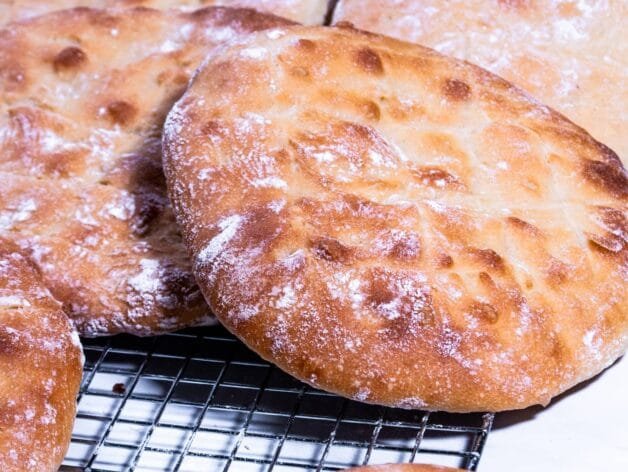
Traditional Balkan Flatbread, soft and airy with a golden crust, perfect for serving with kebabs or as a versatile side.
- Large mixing bowl
- Pizza stone
- Pizza Peel
- Wire rack
- 1 kg all-purpose flour (plus extra for dusting)
- 750 ml lukewarm water
- 100 ml oil (divided into 50 ml + 50 ml)
- 21 g salt
- 14 g active dry yeast
- 12 g sugar
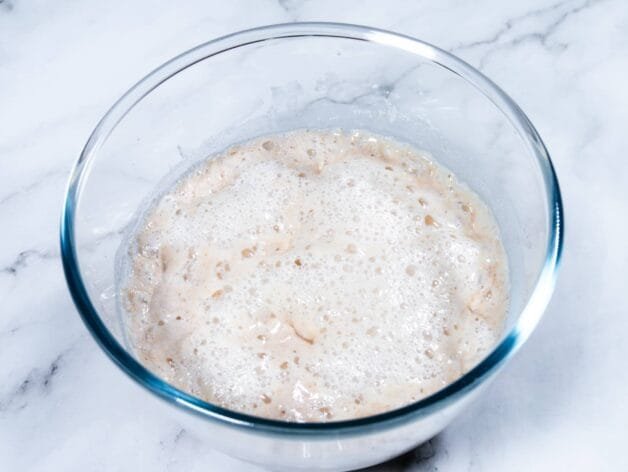
- In a small bowl, mix 2 tablespoons of flour (from the total amount), yeast, sugar, and 250 ml lukewarm water. Stir until smooth and let it sit in a warm place for 10-15 minutes, or until the mixture becomes foamy and active.
- Combine the remaining flour and salt in a large bowl. Add the activated yeast mixture, the remaining 500 ml of lukewarm water, and 50 ml of oil. Mix until a sticky dough forms. Knead the dough by hand or with a mixer fitted with a dough hook for 8-10 minutes, until smooth and elastic. The dough will remain sticky but should hold its shape.
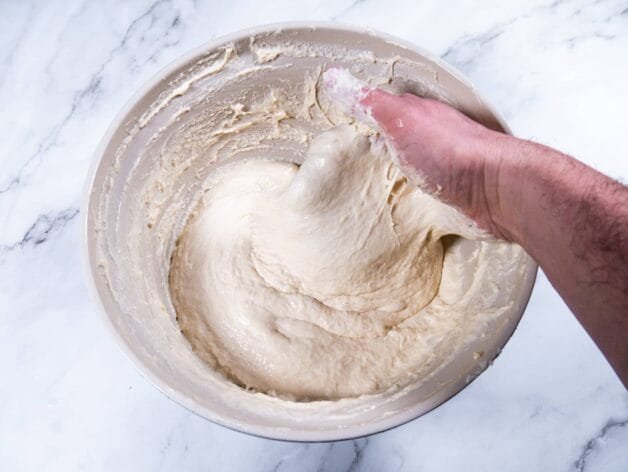
- Cover the bowl with a clean kitchen towel or plastic wrap and place it in a warm spot. Let the dough rise until it doubles in size, which should take about 1-1.5 hours.
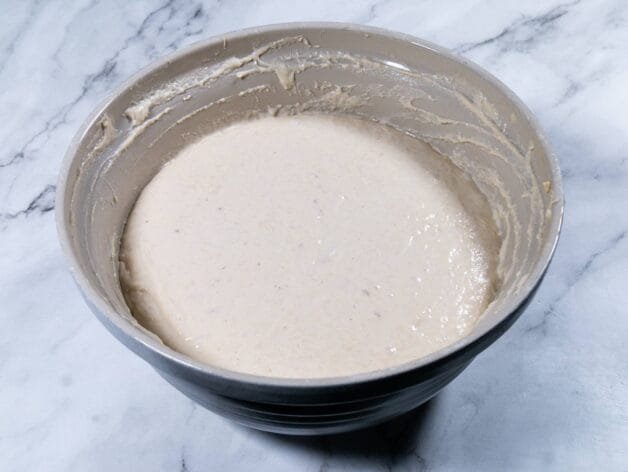
Pour the remaining 50 ml of oil over the risen dough. Using your fingers, gently press and fold the oil into the dough, avoiding vigorous kneading. Transfer the dough onto a well-floured surface. Fold the edges of the dough toward the center, gradually incorporating the flour from the surface. This step ensures the dough remains soft and pliable while reducing stickiness.
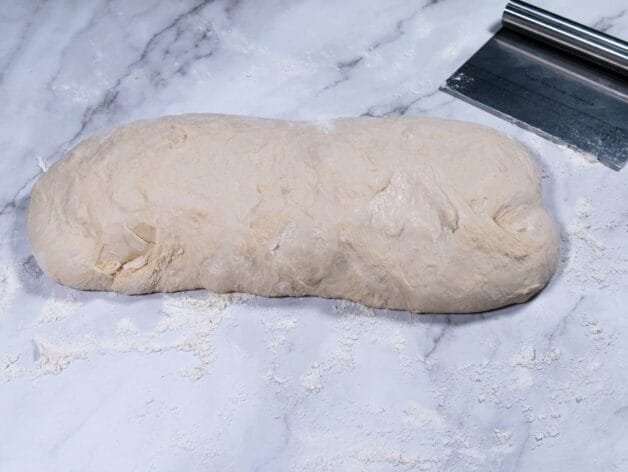
Shape the dough into a log and divide it into 6-8 equal portions. (For precise results, each portion should weigh around 230-300 g.) Lightly dust each piece with flour and shape into a ball, ensuring the bottom is tightly sealed to prevent cracking. Place the balls on a floured surface, cover them with a kitchen towel, and let them rest for 20-30 minutes to allow the dough to relax and slightly rise.
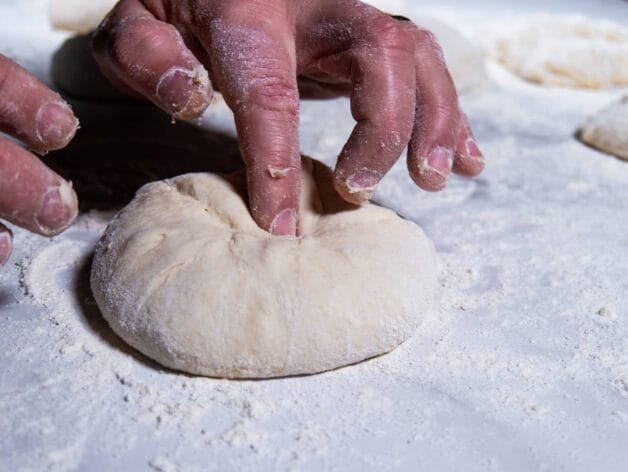
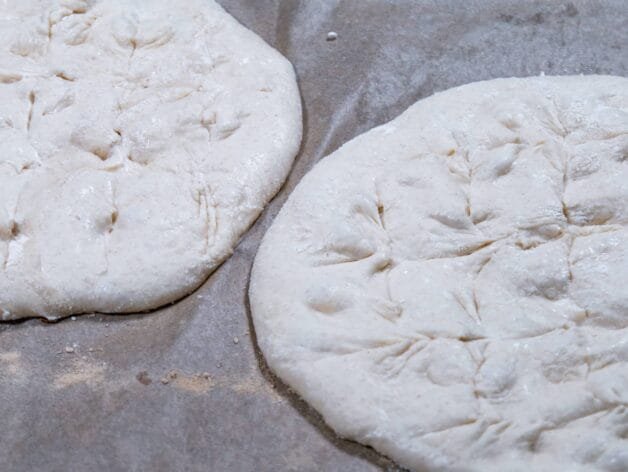
Line a baking sheet with parchment paper or prepare a pizza stone by preheating it in the oven. Carefully transfer the dough balls to the baking sheet. Flatten each ball into a disc with your fingers. Use a sharp knife to make shallow crosshatch cuts on the surface. Cover the flatbreads with a kitchen towel and let them rest for an additional 10 minutes. Meanwhile, preheat the oven to 480°F (250°C).
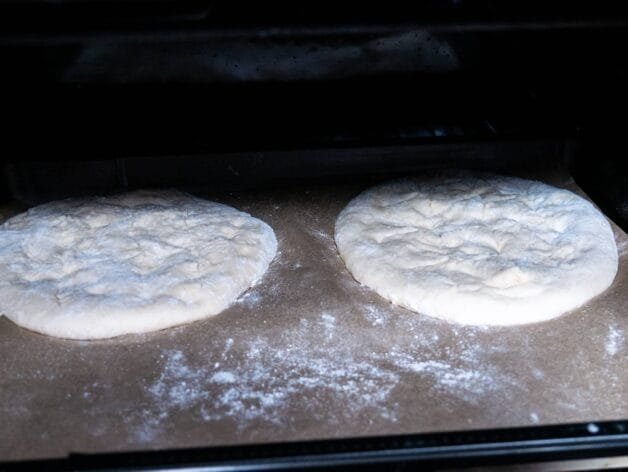
- Bake the flatbreads at 250°C for 8-12 minutes, or until golden brown. If baking on a pizza stone, monitor the flatbreads closely as the baking time may be slightly shorter.
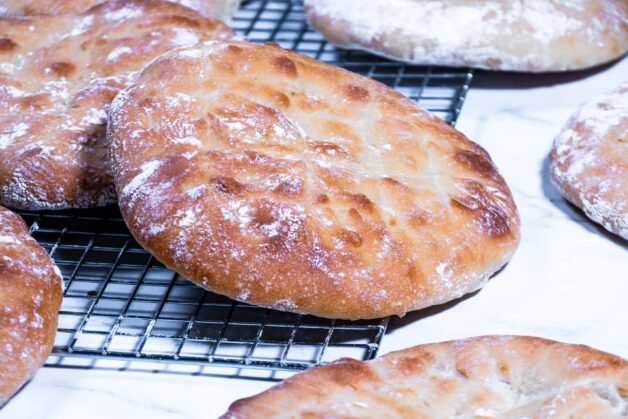
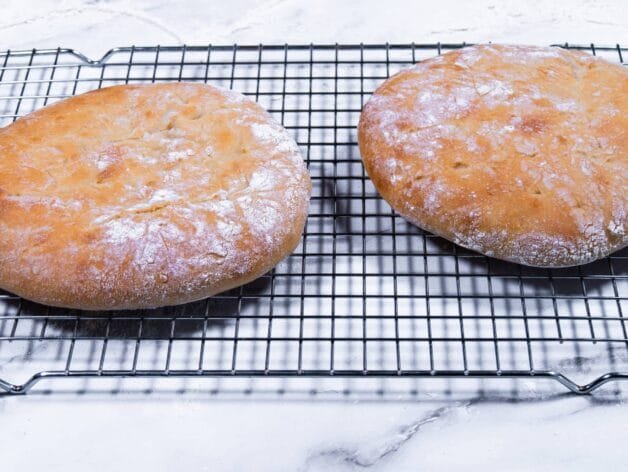
- Once baked, transfer the flatbreads to a wire rack and cover them with a clean kitchen towel. Allow them to cool completely. This ensures the flatbreads remain soft and perfect for filling with kebabs, onions, and your favorite toppings.
Preheat the oven and pizza stone (if using) for at least 30 minutes for the best results.